This series of workshops offer novel insights to help clinicians deal with more complex and challenging cases - a unique, highly practical learning opportunity which integrates research with the insights of extensive clinical practice and enquiry.
The focus is upon healthy and impaired function of the torso – and how this relates to genesis and perpetuation of many pain syndromes – both peripheral and central. You will learn to recognise the common patterns of dysfunction and further develop your assessment and remedial skills with appropriate complementary manual and exercise therapy to better restore the clients function.
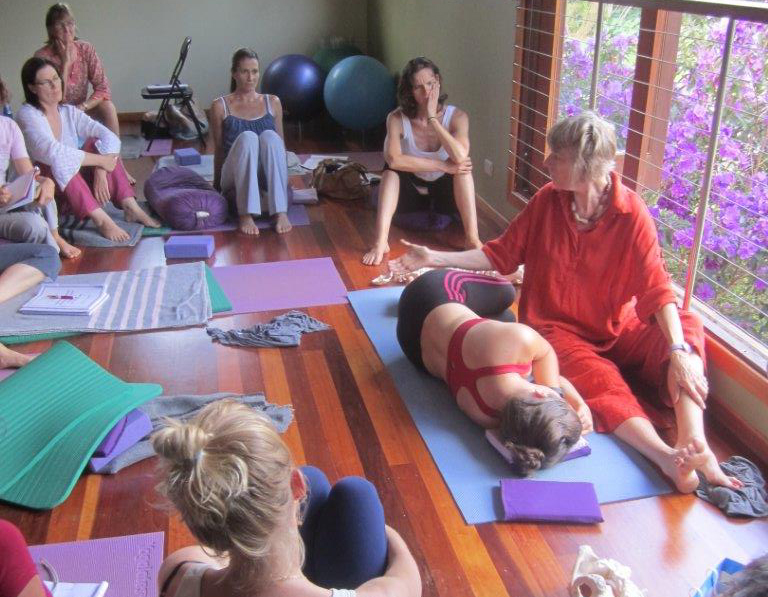
These workshops are offered in 3 modules
Module 1: The Lower Quadrant - The foundations of control
2.5 day workshop
This module principally addresses the integrated function between breathing and postural control of the trunk, control of the pelvis and restoring joint and neuro-myo-fascial function in the lumbo-pelvic–hip region and legs
An introductory evening lecture before the workshop commences provides a broad over-view of the approach
Module 2: The Upper quadrant - An integrated model of torso movement
2.5 day workshop
This module explores the relationship between the thorax, proximal limb girdle dysfunction, and the spine & pain syndromes of the upper quadrant. Completion of Module 1 is advised before doing this module
Module 3: Putting it all together
2 day workshop
All your queries are answered in an interactive practical workshop format.
*Completion of modules 1 & 2 are a prerequisite for attending M3 workshop